
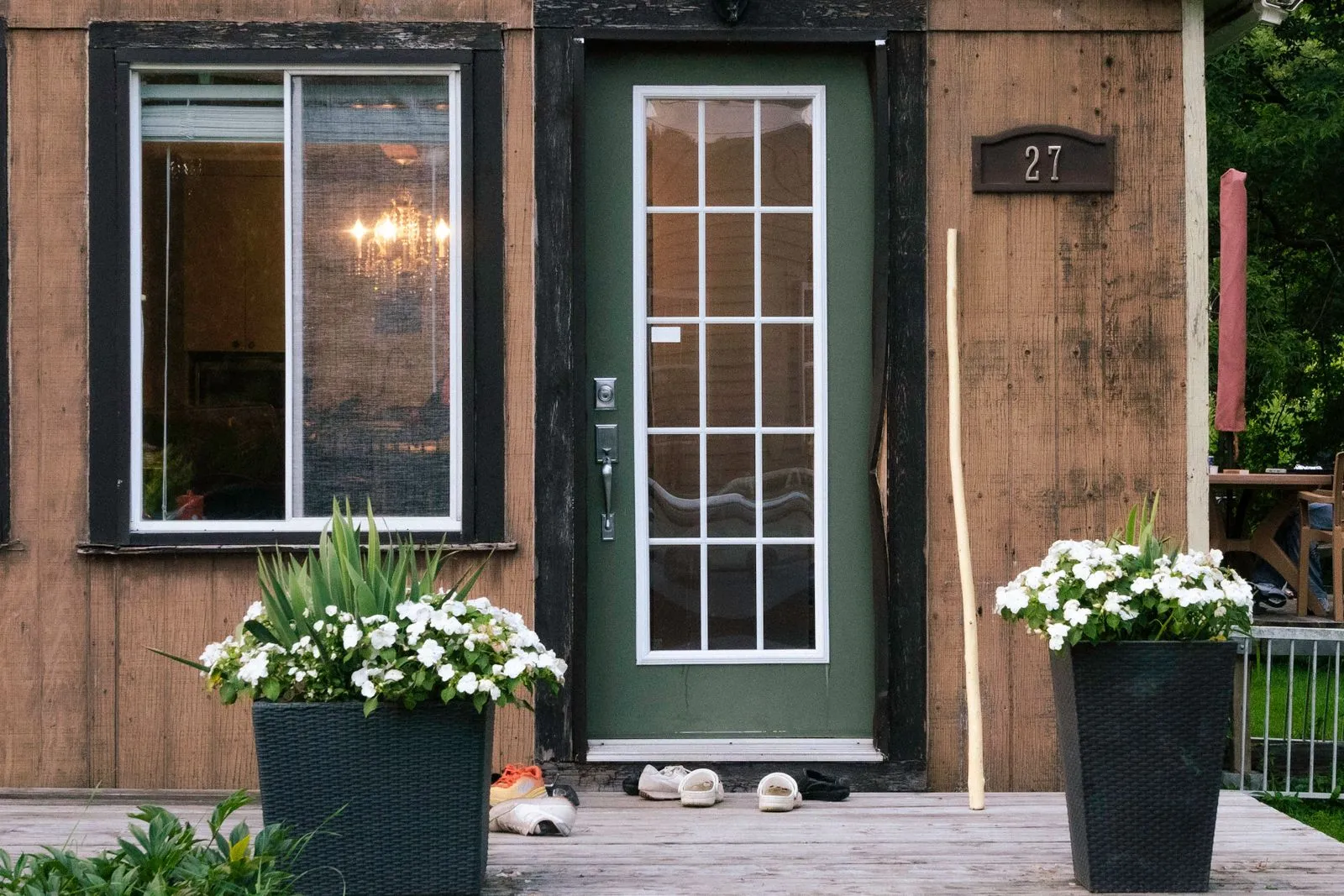
A deadbolt can strengthen a Phoenix home’s entry, but the right choice depends on more than the lock itself. Consider how you use the door, whether it has glass nearby, and whether the deadbolt fits the door’s thickness and existing hardware openings. Understanding the main deadbolt types and their practical features makes it easier to choose a lock that works smoothly and suits your household’s security needs.
Compare Deadbolt Types
A single-cylinder deadbolt uses a key outside and a thumb turn inside. It is a common choice for solid exterior doors without glass close to the lock. You can lock or unlock it from indoors without a key, which is convenient during everyday use and when leaving the house.
A double-cylinder deadbolt requires a key on both sides. It may be considered for a door with nearby glass that could be broken to reach an interior thumb turn. However, needing a key to exit can slow evacuation in an emergency. Check local requirements and household safety needs before choosing this design, and keep keys accessible without leaving them within reach from outside.
Check Door Compatibility
Before buying, measure the door’s thickness and check the existing bore hole and backset, the distance from the door edge to the center of the lock opening. Deadbolts come in different sizes, and a mismatch can leave gaps, prevent the latch from extending fully, or require new drilling. Follow the lock’s installation specifications rather than assuming the old hardware dimensions will fit.
Inspect the door and frame, too. A deadbolt needs a sound door, a properly aligned strike plate, and screws that anchor securely into the framing. If the door sticks, sags, or has a damaged frame, address that issue before installing a new lock. A quality deadbolt cannot compensate for a loose strike area or a bolt that fails to engage fully.
Choose Useful Security Features
Look for a deadbolt with a hardened bolt and a reinforced strike plate. Longer strike-plate screws can help secure the plate to the framing when the door and frame allow a proper installation. Choose hardware with a durable finish suited to your exposure; Phoenix sun and heat can be hard on finishes, especially on doors that receive direct sunlight.
Key control is another practical consideration. A restricted or protected key system can make unauthorized copying harder, while a rekeyable lock can simplify key changes after a move or when a key is unaccounted for. For a smart deadbolt, check backup entry options, battery alerts, and compatibility with your door and preferred access system. Keep any physical override key in a secure, accessible place.
Match the Lock to the Entry
For a main entry with no nearby glass, a properly fitted single-cylinder deadbolt is often a straightforward option. A door with glass panels calls for a closer review of lock placement and exit safety. For a side or garage entry, consider who needs access and whether the lock will be used often enough to justify keypad or smart features.
Before finalizing your choice, test the deadbolt with the door open and closed. The bolt should extend smoothly and sit fully in the strike opening without forcing the door. Confirm that everyone who needs to exit can do so promptly, and review the manufacturer’s instructions for installation and maintenance.
Choose a deadbolt that fits the door, suits the entry’s layout, and can be installed with a secure strike connection. A careful check of measurements, glass placement, and everyday access needs can prevent common problems. If you want help assessing your Phoenix entry door, contact Copper Key Locksmith to discuss suitable options.